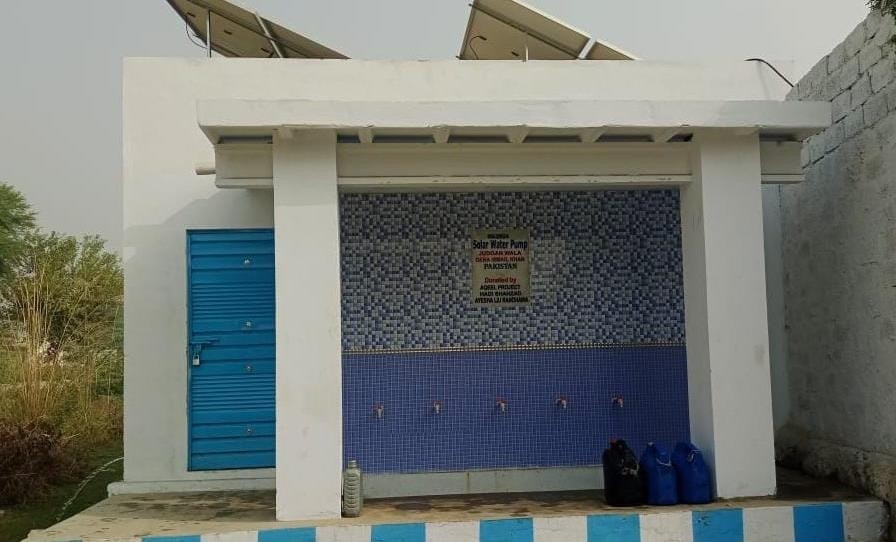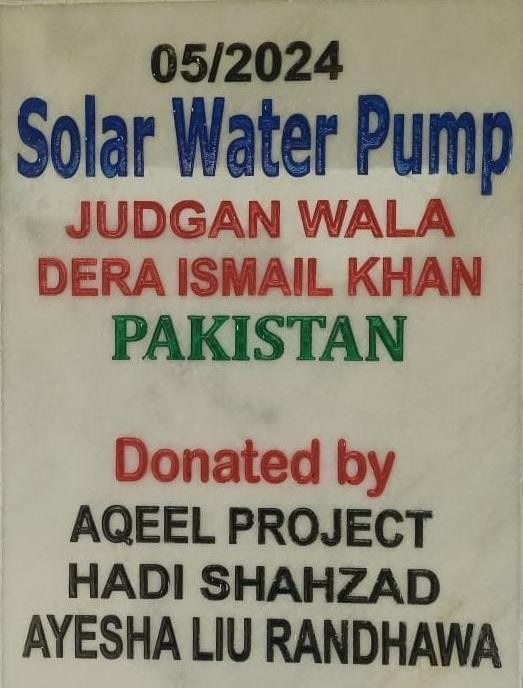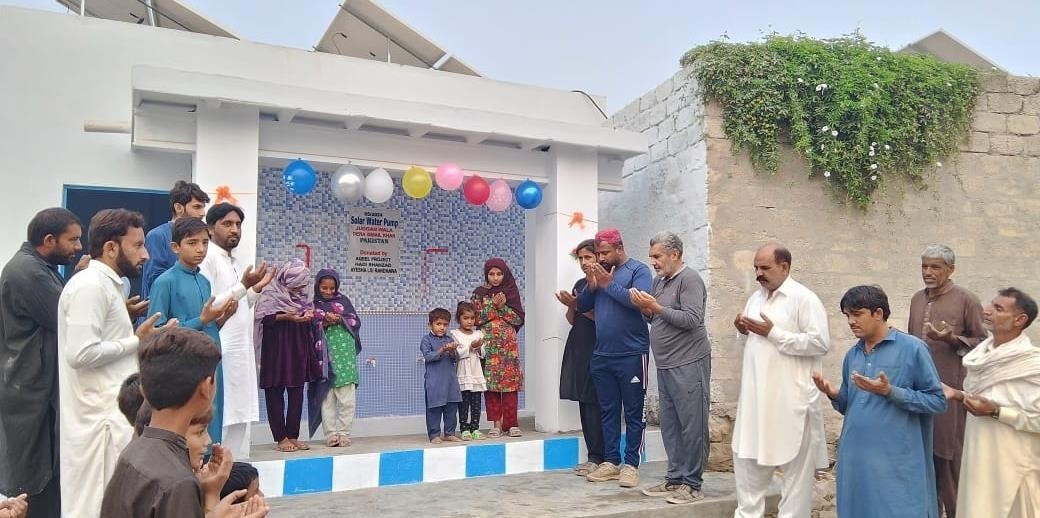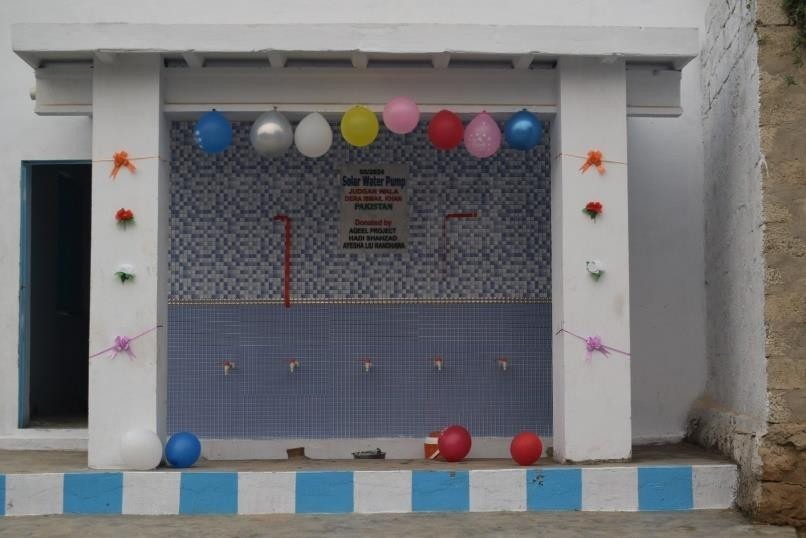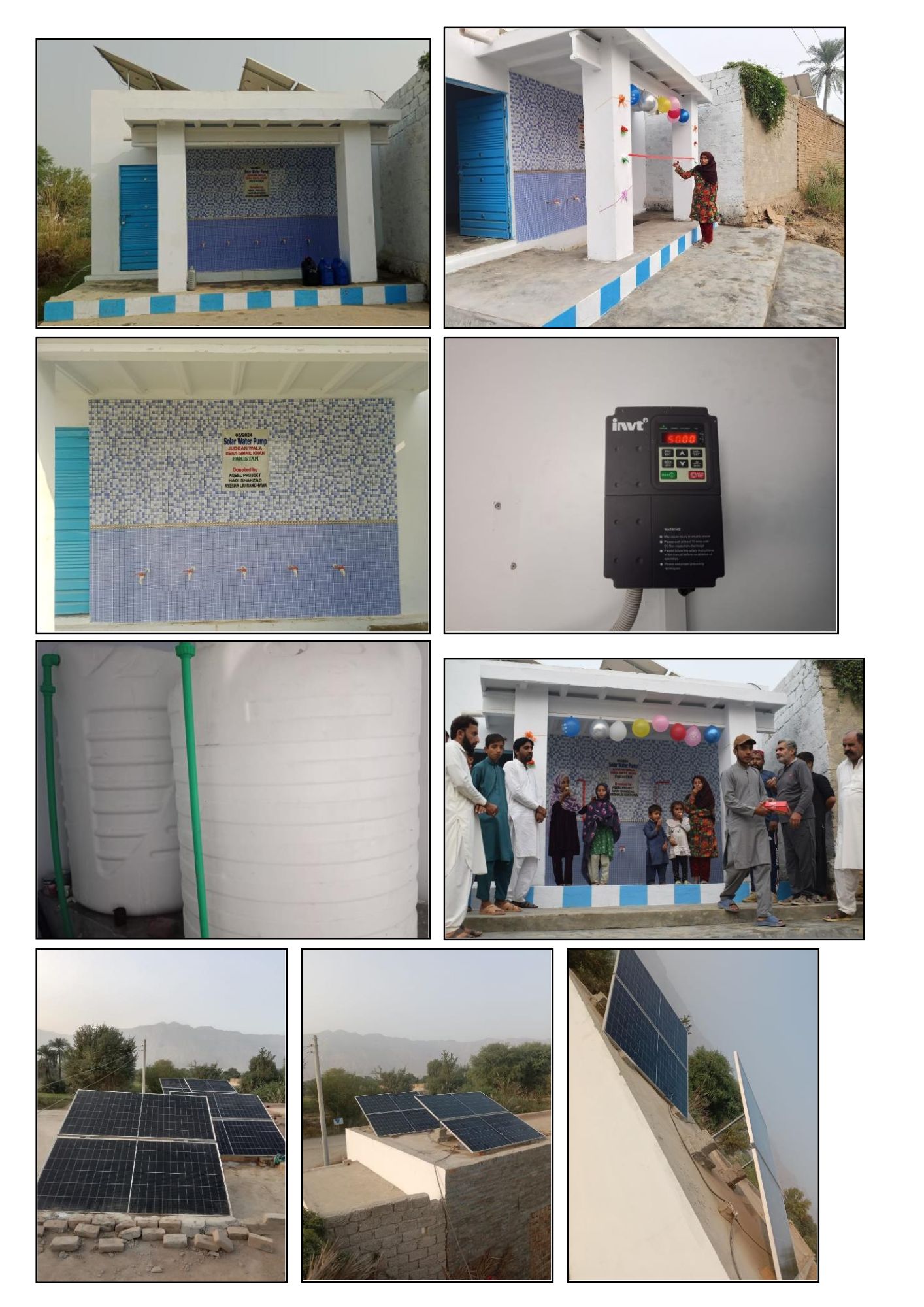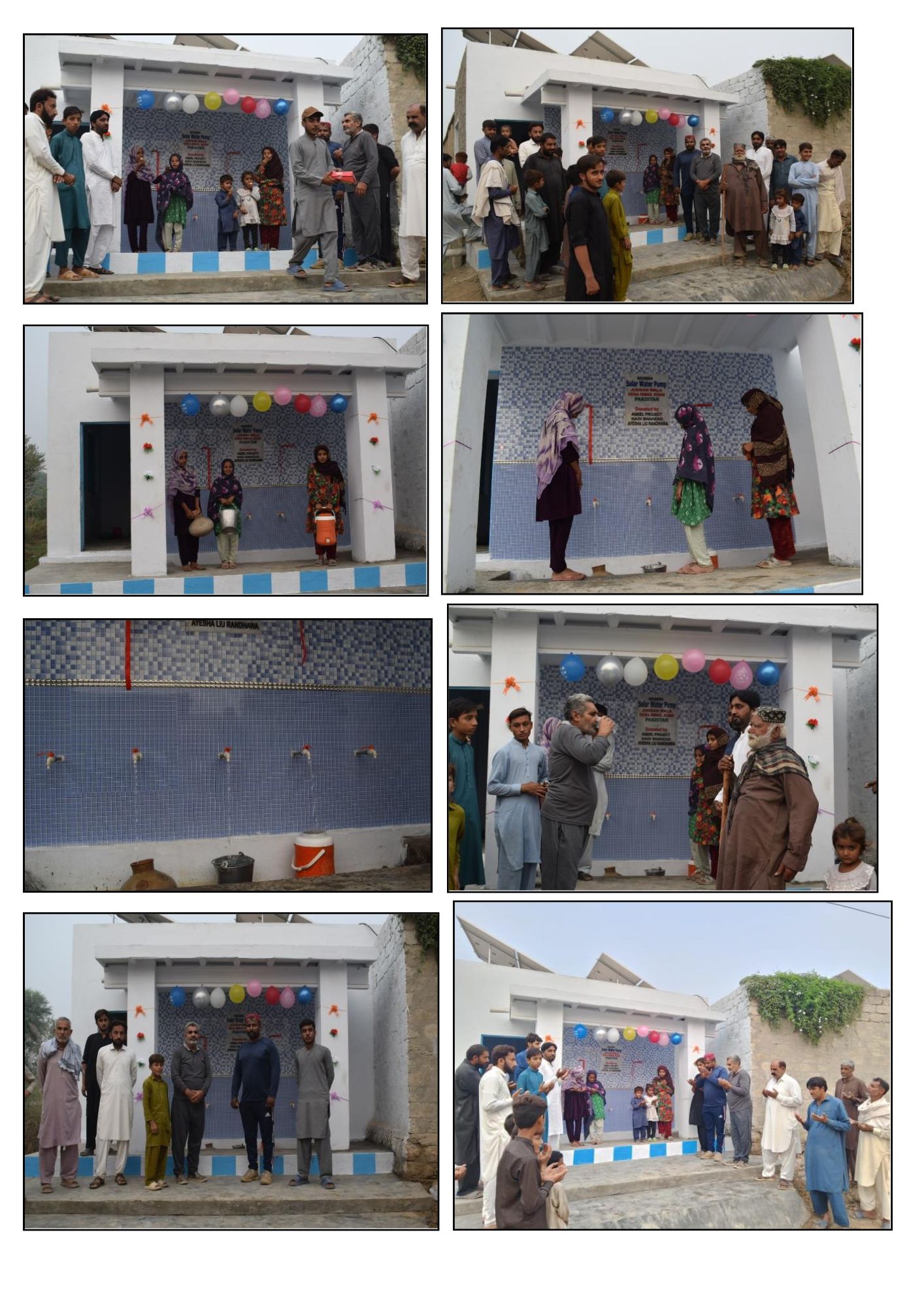
Access to water can be a major challenge for families living in remote communities where conventional electricity and nearby water sources are limited. To address this need, a solar powered water plant in Judgan Wala, Dera Ismail Khan was completed in November 2024, providing a more accessible water source for local residents.
The project was established in Judgan Wala Village, Union Council Katchi Kath Garh, Tehsil Paharpur, District Dera Ismail Khan, Khyber Pakhtunkhwa. It uses solar energy to operate a submersible water pump, providing a practical solution in an area where access to conventional electricity can be difficult.
About the Solar Water Project
Before the project, residents had to travel approximately 3,000 metres to reach their water source, with the journey taking around 60 minutes. Following installation, the reported distance to the water source was reduced to approximately 30 metres, with travel time reduced to around 10 minutes.
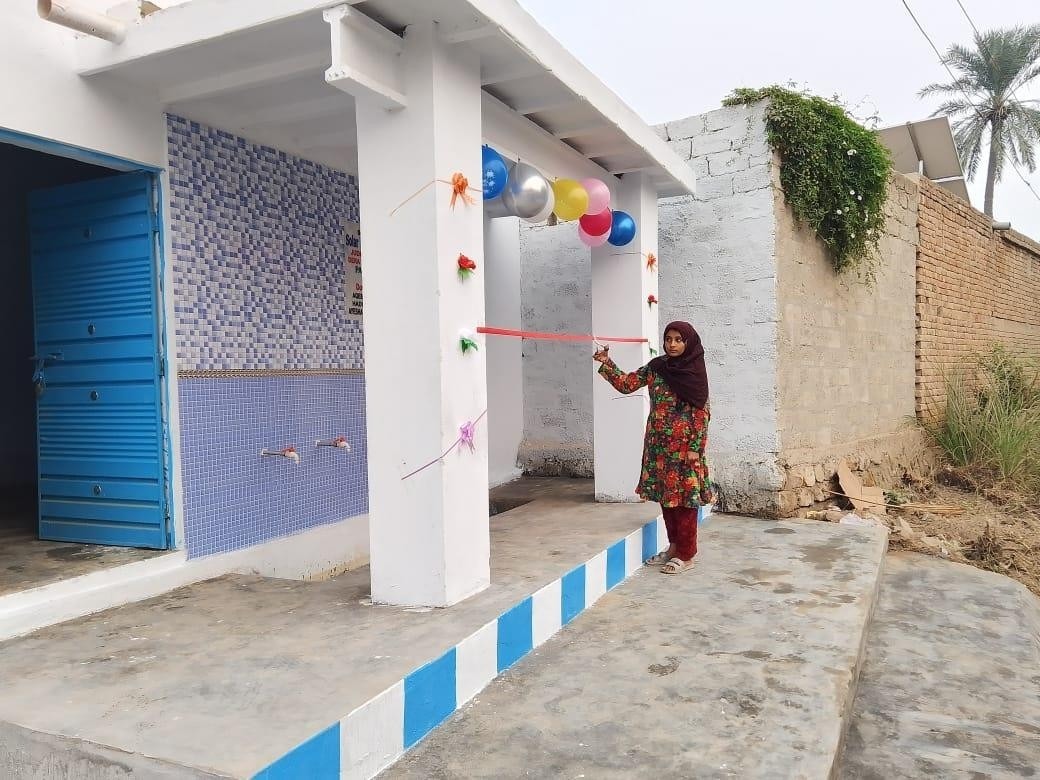
The project began on 6 August 2024, was completed on 5 November 2024, and was officially inaugurated on 10 November 2024.
Project Highlights
- Project: Water for Life – Solar Power Water Plant
- Location: Judgan Wala, Dera Ismail Khan, Khyber Pakhtunkhwa
- Project Tag: 05/2024
- Project Start: 6 August 2024
- Project Completion: 5 November 2024
- Inauguration: 10 November 2024
- Pump Type: Submersible
- Pump Power: 3 HP
- Bore Depth: 220 feet
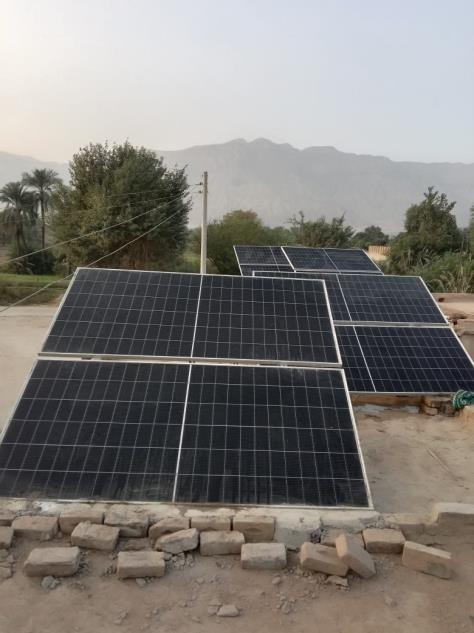
- Solar Capacity: 4.50 kW
- Solar Panels: 8 × 585W
- Water Tanks: 2
- Tank Capacity: 3,974 litres each
- Sponsored By: Aqeel Project – Hadi Shahzad & Ayesha Liu Randhawa
Supporting Families in Judgan Wala
The Judgan Wala solar water plant was designed to reduce the difficulty local residents experienced when collecting water.
According to the project report, the plant is expected to serve:
- 50 men
- 80 women
- 110 children
- 300 livestock
This represents 240 community members, in addition to livestock benefiting from improved proximity to a water source.
How the Solar Powered Water Plant Works
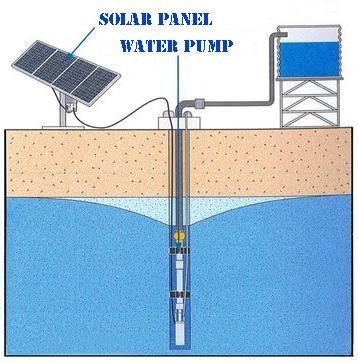
The project combines groundwater extraction with renewable solar energy.
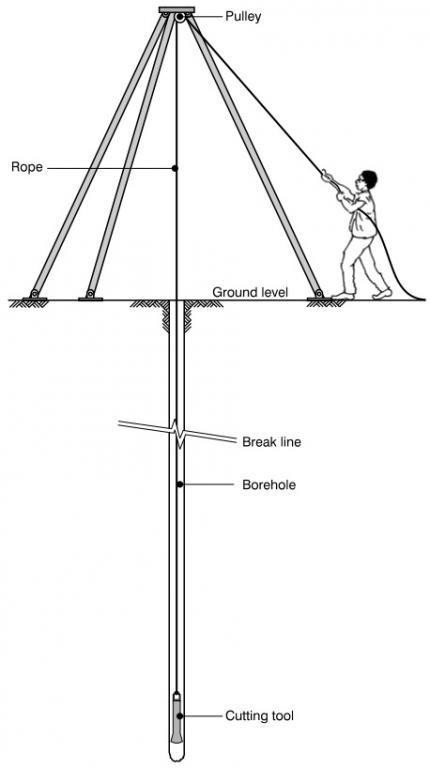
A 220-foot bore was developed to access groundwater. A 3-horsepower multistage centrifugal submersible pump was installed below the water level to bring water to the surface.
Instead of depending solely on conventional grid electricity, the system uses eight 585-watt solar panels, with the project report listing the solar power unit at 4.50 kW. A 5.5 kW, 220V solar inverter supports the system.
The extracted water is stored in two plastic tanks, each with a reported capacity of 3,974 litres, helping provide a substantial storage supply for community use.
Why Solar Power Was Used
Remote communities can face challenges in obtaining reliable grid electricity. At the same time, areas with strong sunlight have the opportunity to use solar energy for essential infrastructure.
Using solar power to operate the water pump reduces dependence on conventional electricity and provides a practical method of extracting groundwater in this location.
This combination of solar energy and groundwater pumping was selected to create a more accessible water source for residents of Judgan Wala.
From 3,000 Metres to Just 30 Metres
One of the project’s most significant reported improvements was the reduction in the distance residents needed to travel for water.
Before the project:
- Water source distance: approximately 3,000 metres
- Travel duration: approximately 60 minutes
After the project:
- Water source distance: approximately 30 metres
- Travel duration: approximately 10 minutes
Bringing the water source closer to the village can reduce the time and effort required for everyday water collection.
Project Planning and Installation
The project began following requests from village residents for assistance with their water needs.
A local volunteer committee was established to support the planning and installation process. Quotations were obtained from four contractors, after which a vendor was selected and its registration verified.
The implementation process included:
- Assessing the community’s water requirements.
- Establishing a local volunteer committee.
- Obtaining quotations from four contractors.
- Selecting and verifying the project vendor.
- Constructing a dedicated water plant room.
- Preparing a tiled water-filling area.
- Drilling and preparing the groundwater bore.
- Installing the submersible pump.
- Installing solar panels and supporting equipment.
- Conducting a test run and commissioning the system.
- Inaugurating the completed water plant.
- Carrying out site visits for project monitoring.
Community Participation
Local participation played an important role in implementing the project.
The report identifies Hamid Malik, Murid Kazim, Hafiz Muhammad Abdullah and Muhammad Ehsan Bashir as local volunteers who supported the initiative.
Working with local residents also helps communities participate directly in projects designed to address their everyday needs.
A Sustainable Approach to Community Water Access
The Solar Powered Water Plant in Judgan Wala demonstrates how renewable energy can be combined with essential community infrastructure.
By using solar energy to operate the groundwater pump, the project created a water source significantly closer to local residents while reducing dependence on conventional electricity.
Most importantly, the project transformed a reported 3-kilometre journey for water into approximately 30 metres, creating a practical improvement for families in Judgan Wala.
Visit. Witness. Give Directly.